It’s not a new year anyways
All of the hooks I wrote for this blog post made me stressed so here’s an illustration of moomin and me telling you that January is midwinter and should mean deep rest and not new hustle.

Illustration: Moomin TV Series 1990
So we’re in 2026 now according to the Gregorian calendar. This calendar follows the astronomical solar year and was gradually spread by politics and colonisation introduced in 1582 by the pope Gregory XIII. The Gregorian calendar was a perfect tool of control over religious rhythm, holidays, taxation, agricultural planning and labor organization among other things, and is closely tied to European political and colonial influence. And of course - absolutely peeeerrrfect for capitalism & patriarchy.
Calendars are not just human-made systems of timekeeping, they are power tools. A calendar is a construct used to coordinate humans and happenings, not a law of nature, and not time itself. It’s just a made up “map” of time.
The Gregorian calendar spread and became dominant not because it was a superior system, but because Europe colonized half the planet and exported its system along with violence, borders and bureaucracy. Yuuuuuuck.

The Gregorian calendar is linear and rigid and completely ignores our biology and the ecological rhythm. And on practice, what does that mean to us?
Well, it means that meanwhile a big part of the Earth hibernates and slows down during winter, the Gregorian calendar says our reset and energy peak should be placed right in the middle of this. This is part reason why so many people feel unwell trying to live purely after this square-grid linear calendar ignoring everything your body needs. Because a natural reset and energy peak would come with more sun, lighter weather, spring and rising estrogen & testosterone levels.
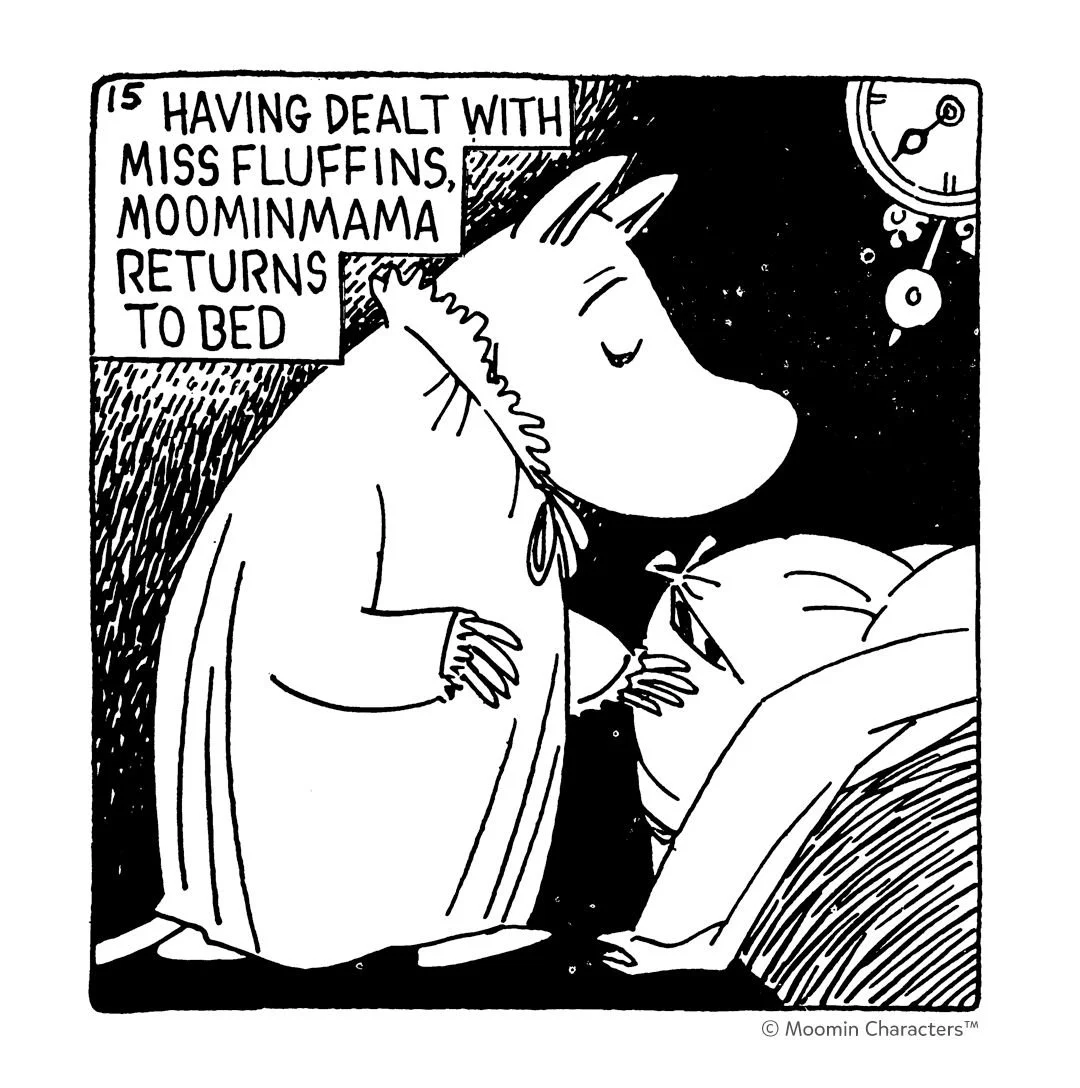
Illustration: Tove Jansson
Whatever calendar we choose to “follow”, and however much colonialism, capitalism & patriarchy want us to conform to their ways, human physiology won’t change and will always be shaped by light cycles, seasonal changes and lunar rhythms.
Long before the Gregorian calendar was introduced, the world was already full of sophisticated calendrical systems aligned with social structures, environment and cosmologies. These calendrical systems often co-existed and prioritized lunar cycles, agricultural rhythms, seasonal shifts and ceremonial time.
For example, as women - living (eating, training, socializing, supporting…) in rhythm with our menstrual cycle. Or living according to the lunar calendar like many indigenous cultures. There are lunisolar calendars like the Chinese calendar. Agricultural calendars. Ritual/Ceremonial calendars where time is marked by initiations, birth, death, ancestral remembrance…
And most people on earth are multilingual in time. Ponder this.
You might:
Work by Gregorian time
Bleed by menstrual time
Rest by seasonal time
Grieve by ritual time
Parent by relational time
So the problem isn’t that other legitimate calendars don’t exist. The problem is that we were taught that only one counts.
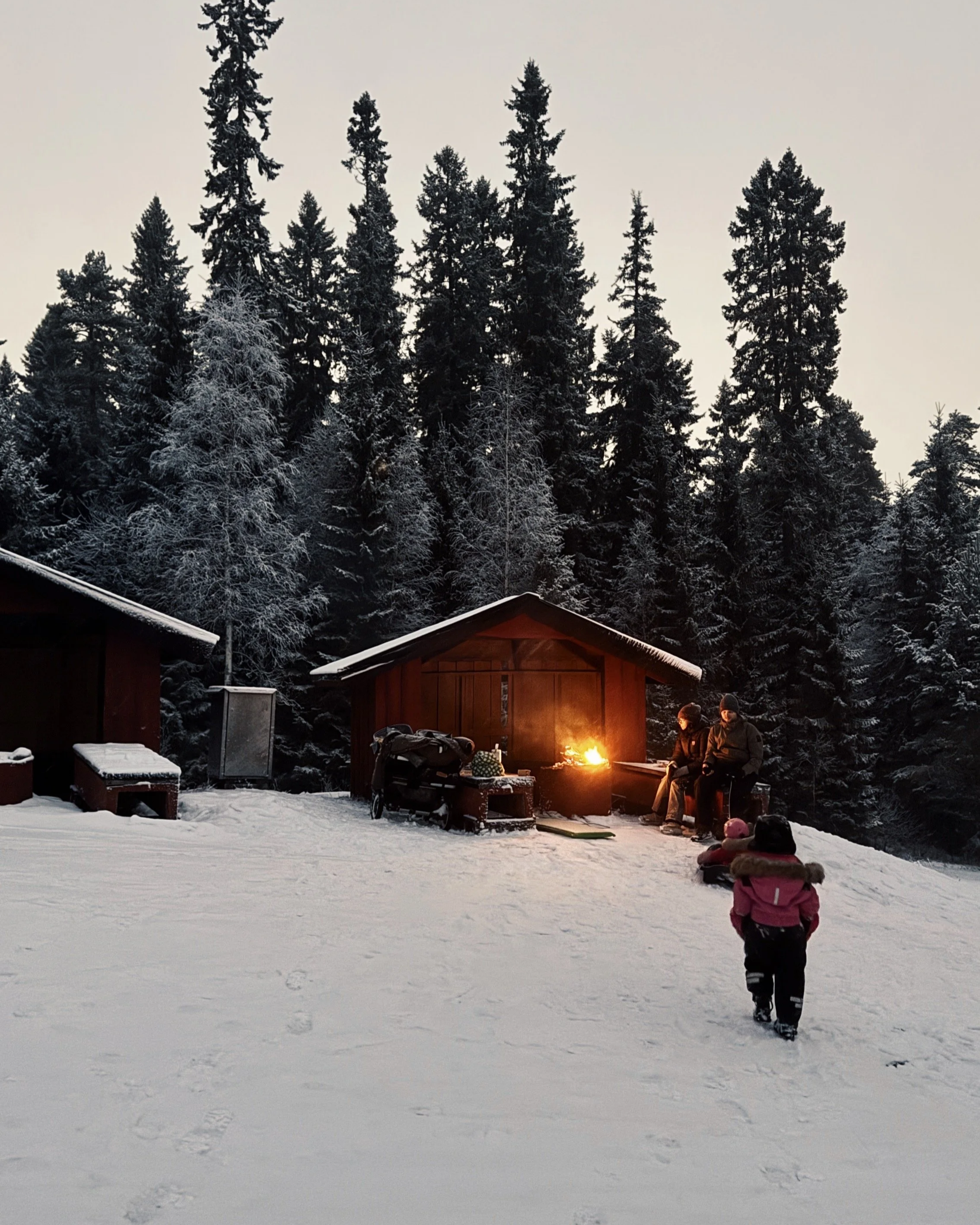
As a South Sámi, I grew up within the Gregorian / colonial system but my family still viewed the year as a wheel of 8 seasons. We adapted to each season according to what nature gifted us or required from us.
For example, making sure that we had enough food for the whole winter season (that’s ca half a year here in northern Sweden) while we were still in our high energy months (with sun and life) so we’d be safe and good when the cold and darkness demanded rest, less movement and a slower pace.
You know, that even meant that even our food menu was cyclear.
This way of treating time is rooted in ecological observation. Just like so many indigenous people, like - not exclusively - the ones of the arctic (Sápmi, Inuit Nunangat, Kalaallit Nunaat, Alaska, Chukotka…). Time is marked by events such as climatic changes, plant cycles and migration of animals. There are seasons to forge, hunt, gather, preserve and also seasons to rest and change pace.
There is no single “Sámi calendar” that we would all collectively follow, rather a shared way of reading land, expressed differently depending on livelihood and landscape. It is not an owned way of living, it’s a wheel of time, a belonging and an “in tune with”.
So here it is, the Sámi wheel of 8 seasons.
Spring - Gïjrra
The snow is melting. Life and movement returns, waters are opening and travelling gets easier. This is a time of restraint to protect new growth and breeding.
Spring-Summer - Giddageassi
This is calving season and an extremely sensitive time for animals, land, and families.
Summer - Geassi
The land is abundant, travel is the easiest, and food & plant medicine is gathered and preserved for later seasons.
Autumn-Summer / Late summer - Tjaktjagiesse
Animals are strong, berries and fish are rich, and careful provisioning begins. We are building reserves.
Autumn - Tjaktja
Hunting, fishing, and harvesting are central as food is secured for the winter.
Autumn-Winter - Tjaktkedaelvie
Freeze, first snow and thaw create unstable conditions where attention and timing are critical. You move slower. You test everything for safety - ice, snow, travel routes…
Winter - Daelvie
Cold and snow stabilize, movement slows, and life relies on stored food and deep knowledge.
Winter- Spring - Gïrradáelvie
Light returns while winter still holds, making this a demanding season of risk and preparation. This season is one of my personal favorites after summer - the snow covers absolutely everything and the sun is shining for hours again after a winter with almost no hours of light at all.
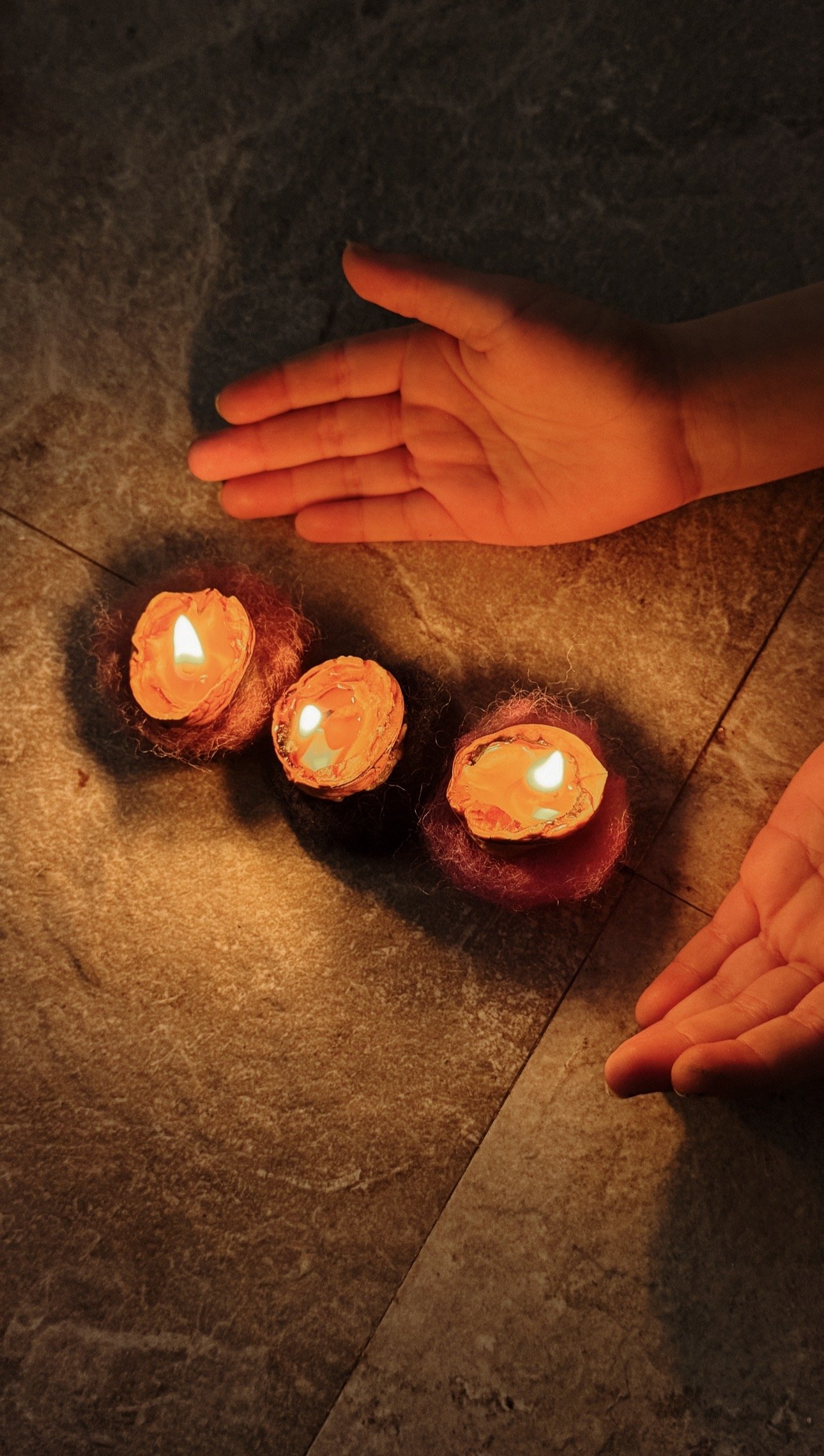
So, summarizing all of this. Many communities all over the world continue to live within multiple temporal systems simultaneously - call them hybrid calendars if you will. One might use the Gregorian calendar for work while orienting one’s personal, spiritual or agricultural life according to lunar, ancestral or seasonal. These layers challenges the assumption that time must be singular or lineal.
Viewing calendrical systems as parallels allows for a more inclusive understanding of time and also invites reflection on how most modern societies prioritize efficiency and control instead of biological & ecological attunement and lived experience.
“Viewing calendrical systems as parallels allows for a more inclusive understanding of time and also invites reflection on how most modern societies prioritize efficiency and control instead of biological & ecological attunement and lived experience. “
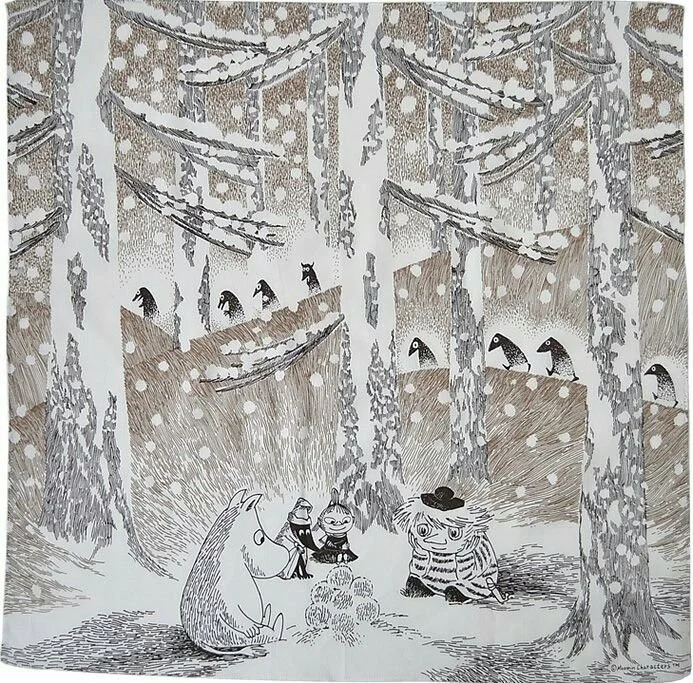
Illustration: Tove Jansson
With that said, open your eyes to new ways to view time and please know that January doesn’t actually require you to peak in energy, to be “a new you” or to hustle. The Gregorian calendar is only made up by man.
So if you have no new year’s resolutions; if you had a few but messed them up already; if you’re like me still moving at the pace of a sloth due to the deep winter; today is only January 28th and it’s not new years anyways.
It’s winter, slow down a little. Unhustle. Dare to be a little unprofitable.
Spring is coming in a month or two. Bless
xo, Briana